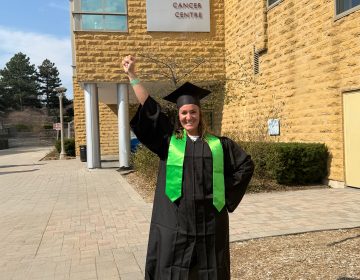
By Emily Quint (Ager)
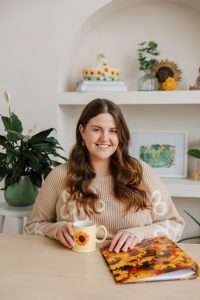 I was 20 years old when I was diagnosed with stage 2B classical Hodgkin’s lymphoma. A student at Brock University, I was blissfully unaware of the road quietly unfolding before me. Treatment began quickly, for reasons that still pale my complexion and send shockwaves through my body. It needed to be now. And so, it began: sixteen rounds of chemotherapy. Eight months of sickness, fear, and fatigue so deep it carved into my bones.
I was 20, but in many ways, I was still just a kid — a kid who had to learn what it means to fight for your life.
I’m now 31, over ten and a half years in remission, and only just beginning to process what I navigated.
For years, I tried to sweep it all under the rug. I thought once I was declared cancer-free, I could just move on. Go back to school. Be “normal.” Smile through it. And be okay. But I’ve learned that healing doesn’t work like that. You can be in remission and still be deeply wounded. You can survive and still carry scars that no scan will ever see.
Even now, I go through waves of believing it’s back. That it’s lurking. Waiting. Ready to swallow me whole. We’re taught to fear cancer (and for good reason). But for those of us who survive, that fear doesn’t just vanish. It simply changes shape. Sometimes it becomes a quiet, heavy cloud above us, whispering: What if it returns? And what if I’m not okay this time?
And some of cancer’s legacy isn’t even hypothetical. In January 2024, I lost my much-wanted pregnancy at 10 weeks. I’m now navigating fertility concerns made even more complex by my cancer history. No one knows for sure if chemo has impacted my fertility, and we’ll only know if IVF becomes our next step. The grief of that loss surfaced so much: fear, rage, and the aching question I try to silence — what did cancer take from me that I’ll never get back?
Because I know cancer shaped me. It made me more compassionate and more present. It taught me that real love shows up when you’re bald, bloated, and falling apart. But I also hate that I ever had to have it. And I’ve learned that both of those truths can co-exist. They don’t cancel each other out.
That’s part of why I wrote a book. A memoir.
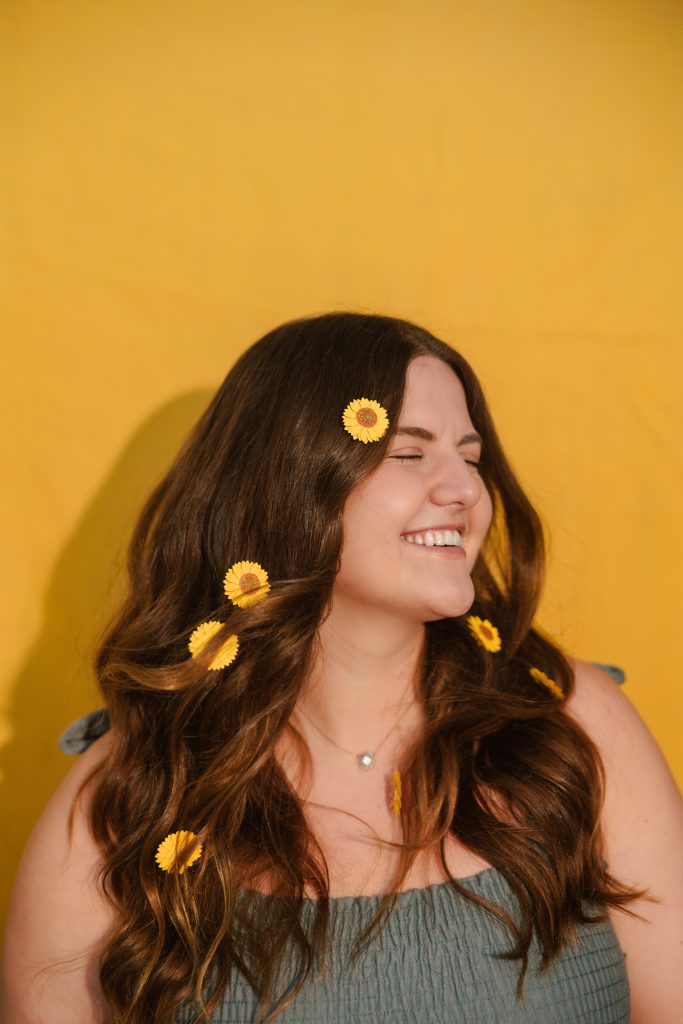
My Sunflower Soul began as a whisper, a private place to pour the parts of me I didn’t know how to say out loud. But it grew into something more. A story of anxiety, depression, cancer, intimate partner violence, sexual assault, and pregnancy loss. So many chapters of pain I had survived but never fully felt.
Writing gave me something I didn’t know I was missing: language. It gave structure to the chaos. It helped me connect the dots between the things that happened to me and the ways they still lived in my body. I had spent years trying to outrun it all. But writing asked me to stop running. To sit with it. To feel what I had numbed. And somehow, in that stillness, I began to heal.
There’s a scene in my memoir where I’m in the chemo chair, flipping the countdown my friend made me to reveal a giant pink “2” — two treatments left. I was smiling, flushed, and glassy-eyed. Outwardly brave, but inwardly unraveling. That moment haunted me for years. Writing it down gave me permission to finally feel what I couldn’t back then. And with each chapter, I reclaimed something I’d lost.
Because here’s the thing no one tells you: the world celebrates survival, but it rarely makes space for what comes after. The grief. The rage. The fear of recurrence. The body that doesn’t feel like yours anymore. The friendships that fall away. The mirror that reflects someone you barely recognize. The guilt of surviving when others didn’t. The pressure to move on when you’re still stuck in the aftermath.
My book is for anyone who’s been through something that changed them and still struggles to find the words. It’s for the survivors of illness, trauma, heartbreak who need to know they’re not alone. That it’s okay to feel both gratitude and grief. That healing isn’t linear, and you don’t have to have it all figured out to share your story.
What I wish you knew is this: I’m grateful to be here. And I’m still grieving what cancer stole from me. That doesn’t make me ungrateful. It makes me human.
And in telling the truth of that humanity, I’ve finally found my freedom.
You can learn more about Emily’s work at emilyfindshealing.com.